Prototype
Communal
Log
with Diogo Amaro and António Frederico Lasalvia
April 2025


© António Lasalvia
© António Lasalvia
© António Lasalvia
© António Lasalvia
© António Lasalvia
© António Lasalvia
© António Lasalvia
© António Lasalvia
© António Lasalvia
© António Lasalvia
© António Lasalvia
For one month, I took part in a residency in the village of Topolò/Topolove, in Italy, as part of the Uncommon Fruits project — an initiative by the Robida collective and Zavod Cepika, included in the official program of the European Capital of Culture 2025. Together with Diogo Amaro and António Frederico Lasalvia, we imagined, designed, and built Log — a collective wooden structure, shaped by many hands and deeply rooted in the landscape and local knowledge.
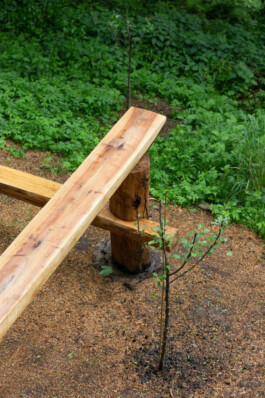
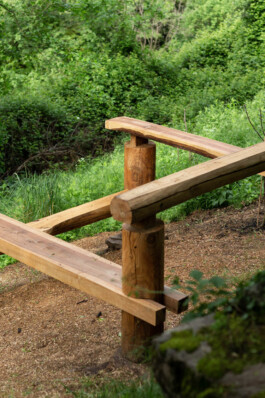
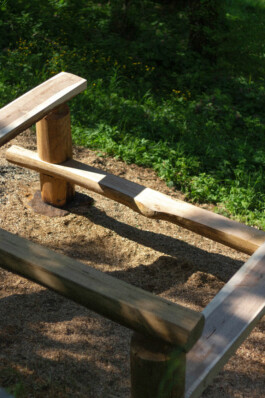
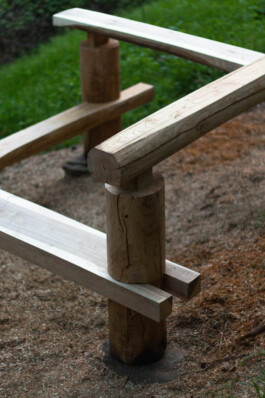
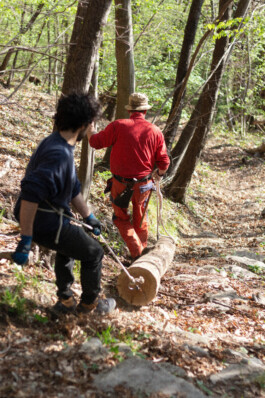
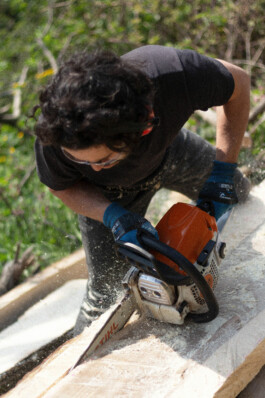
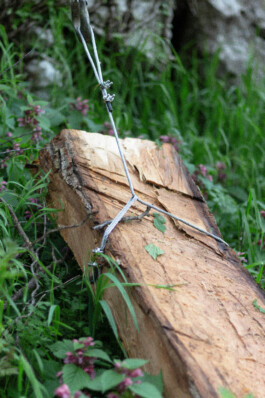
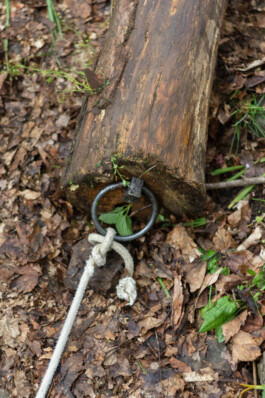
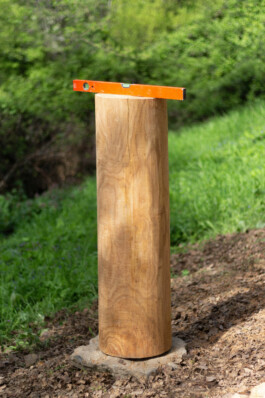
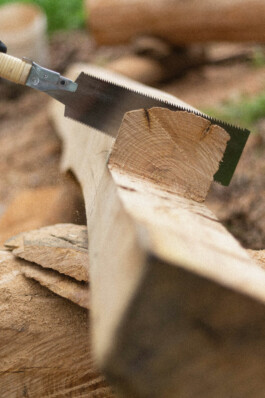
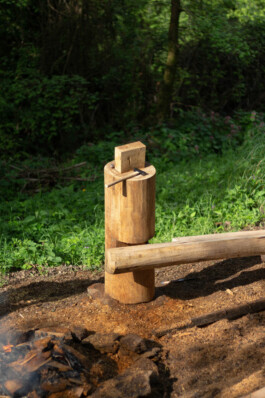
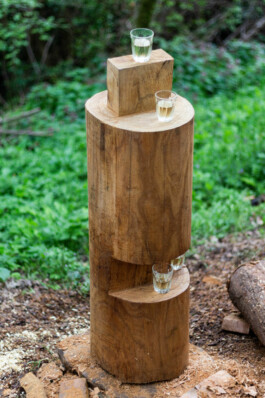
The wood — chestnut and walnut — was sourced locally from fallen and dry-standing trees, with help from the community. We drew inspiration from Japanese carpentry and from the kozolci (traditional hayracks) of the region. Each joint was hand-carved, assembled without reinforcements, only carefully crafted interlocking connections.
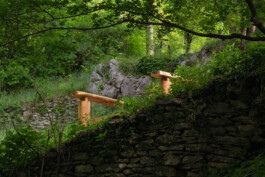
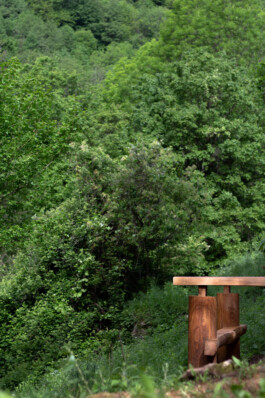
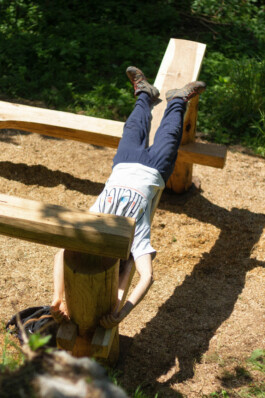
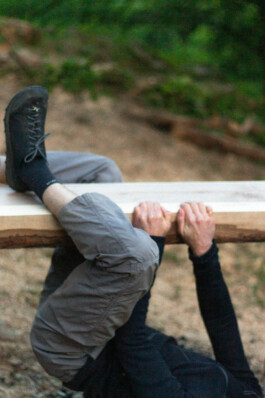
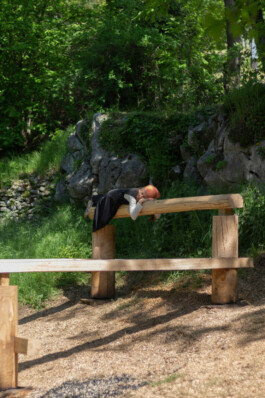
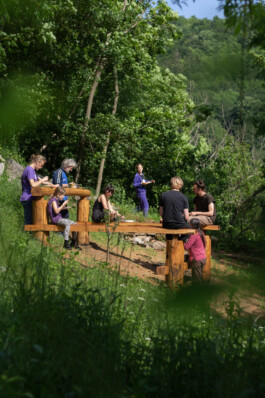
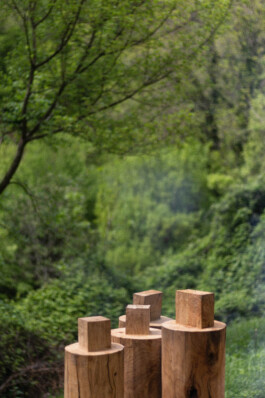
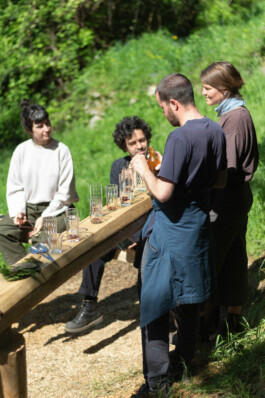
Log was built on a former agricultural terrace. Its form responds to the sloped terrain, creating varied heights and orientations. It invites different gestures: to sit, lean, gather, rest, observe. Depending on how one approaches it, Log becomes a bench, a table, a stage — or simply a place to be.
More than a structure, Log proposes an ecology of relations between bodies, land, tools, time, and care. It reactivates the dormant layers of the terraced landscape and suggests a contemporary model for slow, collective architecture — where design and construction are inseparable from context and community.


The making of Log was a shared effort:
—The walnut and chestnut wood was gathered with the guidance of Marco and the help of Blaso.
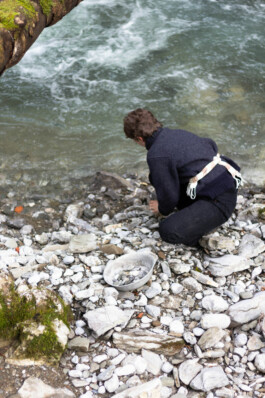
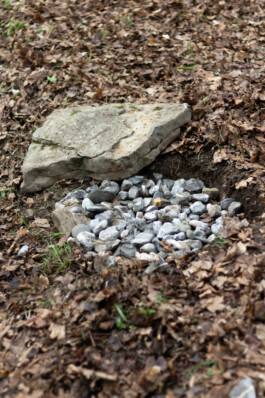
—Pebbles for the base were carried from the river by friends of ZEST Collective.
—Foundation stones came from fallen dry-stone walls nearby, set in place with the help of Heike.
—All wooden surfaces were treated with linseed oil and beeswax from Robida's hives.
—The design of the foundations was conceived to avoid disrupting life at ground level, allowing the structure to cohabit with it instead.
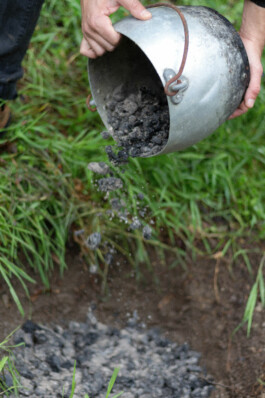
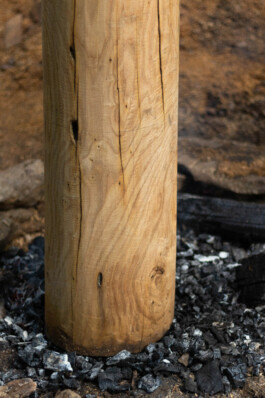
—Pillar bases were charred for moisture resistance, to help the structure weather the seasons.


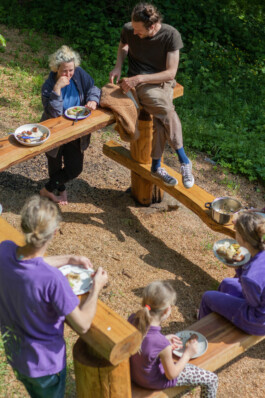
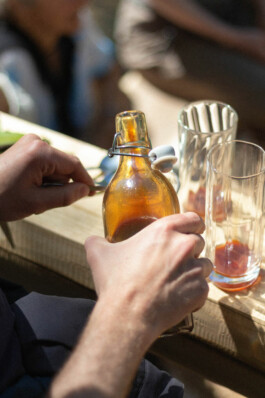
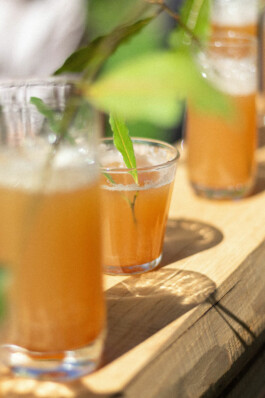
Its first activation took place during a research residency by Phillip Kolmann and Suzanne Bernhardt (studio ERBA), who served handmade ice cream and reduced pear juice from its surface.


Uncommon Woods Residency
Organization and Production: Robida Collective
Design and Build: António Frederico Lasalvia, Diogo Amaro, Madalena Vidigal
Support: Culture Moves Europe
Acknowledgments: Marco Scuoch, Michele Blasone, Francesco, Valerio Bergnach, Nino Ciccone, Zest Collective, Renzo Rucli
Heike de Wit followed the entire process and is now working on a publication that tells the story of how Log came into being.
Prototype
Communal
Log
with Diogo Amaro and António Frederico Lasalvia
April 2025


© António Lasalvia
© António Lasalvia
© António Lasalvia
© António Lasalvia
© António Lasalvia
© António Lasalvia
© António Lasalvia
© António Lasalvia
© António Lasalvia
© António Lasalvia
© António Lasalvia
For one month, I took part in a residency in the village of Topolò/Topolove, in Italy, as part of the Uncommon Fruits project — an initiative by the Robida collective and Zavod Cepika, included in the official program of the European Capital of Culture 2025. Together with Diogo Amaro and António Frederico Lasalvia, we imagined, designed, and built Log — a collective wooden structure, shaped by many hands and deeply rooted in the landscape and local knowledge.
The wood — chestnut and walnut — was sourced locally from fallen and dry-standing trees, with help from the community. We drew inspiration from Japanese carpentry and from the kozolci (traditional hayracks) of the region. Each joint was hand-carved, assembled without reinforcements, only carefully crafted interlocking connections.
Log was built on a former agricultural terrace. Its form responds to the sloped terrain, creating varied heights and orientations. It invites different gestures: to sit, lean, gather, rest, observe. Depending on how one approaches it, Log becomes a bench, a table, a stage — or simply a place to be.
More than a structure, Log proposes an ecology of relations between bodies, land, tools, time, and care. It reactivates the dormant layers of the terraced landscape and suggests a contemporary model for slow, collective architecture — where design and construction are inseparable from context and community.


The making of Log was a shared effort:
—The walnut and chestnut wood was gathered with the guidance of Marco and the help of Blaso.
—Pebbles for the base were carried from the river by friends of ZEST Collective.
—Foundation stones came from fallen dry-stone walls nearby, set in place with the help of Heike.
—All wooden surfaces were treated with linseed oil and beeswax from Robida's hives.
—The design of the foundations was conceived to avoid disrupting life at ground level, allowing the structure to cohabit with it instead.
—Pillar bases were charred for moisture resistance, to help the structure weather the seasons.


Its first activation took place during a research residency by Phillip Kolmann and Suzanne Bernhardt (studio ERBA), who served handmade ice cream and reduced pear juice from its surface.


Uncommon Woods Residency
Organization and Production: Robida Collective
Design and Build: António Frederico Lasalvia, Diogo Amaro, Madalena Vidigal
Support: Culture Moves Europe
Acknowledgments: Marco Scuoch, Michele Blasone, Francesco, Valerio Bergnach, Nino Ciccone, Zest Collective, Renzo Rucli
Heike de Wit followed the entire process and is now working on a publication that tells the story of how Log came into being.

Madalena Vidigal (1992)
Portuguese native, advanced english (B2), intermidiate italian (B1), elementary spanish and french
Education
2010 - 2016 Master of Architecture, University of Porto (FAUP), PT
2014 - 2015 Exchange program, Accademia di Architettura de Mendrisio, CH
2020 - 2021 Post-graduation in Social and Sustainable Architecture, Porto Artistic School (ESAP) | Critical Concrete, PT
Advanced training
2024 Repartion Architecture with Paulo Tavares, online, BR
2023 Earth Construction in Morroco, with BBB and BC Architects, ecological and bioclimatic building knowledge, Ouled Merzoug MA
2022 Da linha ao círculo, Portuguese Architects Registration Board, online, PT
2022 Design & Build 2022 - Plant based woven architecture, Évora PT
2021 Construction Labs, with Coletivo Mel, Pietro del Esposti, Hanno Burtscher (earthman), Critical Concrete, Porto PT
Awards and grants
2025 Culture Moves Europe, Mobility Grant
2022 Michelangelo Foundation, Educational Grant for Young Designers
2021 Madeira and Porto Santo Architecture Prize, Honorable Mention
2017 Calouste Gulbenkian Foundation, Grant to Support Artistic Creation
Exhibitions
2023 “Porto Santo School: A work by Raúl Chorão Ramalho” co-curation (itinerancy), Garagem Sul, Lisbon PT
2021 “Porto Santo School: Construction of a Common Place” co-curation, Porta 33, Madeira PT
2021 “Atlas Suzane Daveau” co-curation, Nacional Library of Portugal, Lisbon PT
2018 “Rui Goes Ferreira. Image of an interrupted work”, curation, Porta 33, Funchal PT
Selected publications
2024 Graphic-design, artist's book “Ana Vidigal”, Lisboa, Documenta
2023 Author, Cadernos de Viagem n. 10, edited by André Tavares, Lisboa, Centro Cultural de Belém
2021 Co-editor, diptych “Atlas Suzanne Daveau” e “O Ambiente Geográfico Natural.”
2019 Editor assistant “Arquivo: Diogo Seixas Lopes”, Porto, Dafne Editor
2018 Article “A cultura de uma paisagem insular," TRANSLOCAL. Culturas Contemporâneas Locais e Urbanas, n. 1
Selected lectures, talks and academic engagement
2025 “Beyond Matter”, Radio Robida, IZBA, Topòlo, IT
2024 “Realizar a Utopia”, Lusíada University, Lisbon PT
2023 “Atlas Suzanne Daveau”, Livraria do Batalha, Porto PT
2021 Moderation, Escola do Porto Santo, with Ana Tostões, Paulo David, et al.
2019 Annual Architecture Month Conference, “Habitação Colectiva: Cidade para todos”, OASRS, Funchal PT
2015 - 2017 Teaching assistant Porto Academy Summer School (Bast FR, Jun Igarashi JP, Sami PT)
Selected collaborations
2017 - 2025 Collaborations from which the selected projects:
2021 - 2023 URBiNAT: Campanhã Healthy Corridor, as member of AGRUPA International Network, Porto PT
2018 - 2019 Gardens of Stone, as architect at BARBAS LOPES, Lisbon PT
2017 - 2018 Arquivo: Diogo Seixas Lopes, as editor assistant and inventory at DAFNE, Porto/Lisbon PT
Madalena Vidigal (1992)
Portuguese native, advanced english (B2), intermidiate italian (B1), elementary spanish and french
Education
2010 - 2016 Master of Architecture, University of Porto (FAUP), PT
2014 - 2015 Exchange program, Accademia di Architettura de Mendrisio, CH
2020 - 2021 Post-graduation in Social and Sustainable Architecture, Porto Artistic School (ESAP) | Critical Concrete, PT
Advanced training
2024 Repartion Architecture with Paulo Tavares, online, BR
2023 Earth Construction in Morroco, with BBB and BC Architects, ecological and bioclimatic building knowledge, Ouled Merzoug MA
2022 Da linha ao círculo, Portuguese Architects Registration Board, online, PT
2022 Design & Build 2022 - Plant based woven architecture, Évora PT
2021 Construction Labs, with Coletivo Mel, Pietro del Esposti, Hanno Burtscher (earthman), Critical Concrete, Porto PT
Awards and grants
2025 Culture Moves Europe, Mobility Grant
2022 Michelangelo Foundation, Educational Grant for Young Designers
2021 Madeira and Porto Santo Architecture Prize, Honorable Mention
2017 Calouste Gulbenkian Foundation, Grant to Support Artistic Creation
Exhibitions
2023 “Porto Santo School: A work by Raúl Chorão Ramalho” co-curation (itinerancy), Garagem Sul, Lisbon PT
2021 “Porto Santo School: Construction of a Common Place” co-curation, Porta 33, Madeira PT
2021 “Atlas Suzane Daveau” co-curation, Nacional Library of Portugal, Lisbon PT
2018 “Rui Goes Ferreira. Image of an interrupted work”, curation, Porta 33, Funchal PT
Selected publications
2024 Graphic-design, artist's book “Ana Vidigal”, Lisboa, Documenta
2023 Author, Cadernos de Viagem n. 10, edited by André Tavares, Lisboa, Centro Cultural de Belém
2021 Co-editor, diptych “Atlas Suzanne Daveau” e “O Ambiente Geográfico Natural.”
2019 Editor assistant “Arquivo: Diogo Seixas Lopes”, Porto, Dafne Editor
2018 Article “A cultura de uma paisagem insular," TRANSLOCAL. Culturas Contemporâneas Locais e Urbanas, n. 1
Selected lectures, talks and academic engagement
2025 “Beyond Matter”, Radio Robida, IZBA, Topòlo, IT
2024 “Realizar a Utopia”, Lusíada University, Lisbon PT
2023 “Atlas Suzanne Daveau”, Livraria do Batalha, Porto PT
2021 Moderation, Escola do Porto Santo, with Ana Tostões, Paulo David, et al.
2019 Annual Architecture Month Conference, “Habitação Colectiva: Cidade para todos”, OASRS, Funchal PT
2015 - 2017 Teaching assistant Porto Academy Summer School (Bast FR, Jun Igarashi JP, Sami PT)
Selected collaborations
2017 - 2025 Collaborations from which the selected projects:
2021 - 2023 URBiNAT: Campanhã Healthy Corridor, as member of AGRUPA International Network, Porto PT
2018 - 2019 Gardens of Stone, as architect at BARBAS LOPES, Lisbon PT
2017 - 2018 Arquivo: Diogo Seixas Lopes, as editor assistant and inventory at DAFNE, Porto/Lisbon PT
Currently based between Porto, Lisbon and Funchal, I am working in self-iniciative projects and curating an exhibiton commissioned by CCB | Centro de Arquitectura, oppening may 2026.
As an independent architect and reseacher, I have worked and collaborated with several institutions, associations, and communities. Key projects include the revitalization of Escola da Vila do Porto Santo, awarded an Honorable Mention at the Madeira Architecture Prize (2022), and the curatorial research on the legacy of Raul Chorão Ramalho, Rui Goes Ferreira and Suzanne Daveau. Published in magazines such as Punkto, Umbigo and Koozarch.
Trained at the Faculty of Architecture of Porto (FAUP) with an exchange at the Accademia di Architettura di Mendrisio, I have collaborated with several architectural studios, while deepening my engagement of ecological building techniques through hands-on experiences in Portugal and Morocco.
Previously I have contributed to studios such as Barbas Lopes, Baixa Atelier, and hori-zonte, and integrated A-GRUPA Collaborative Urbanism Network in participatory urbanism initiatives.
I believe that architecture should act as an aggregating discipline, capable of uniting multivocal knowledge and fostering a harmonious and continuous relationship with the natural world.

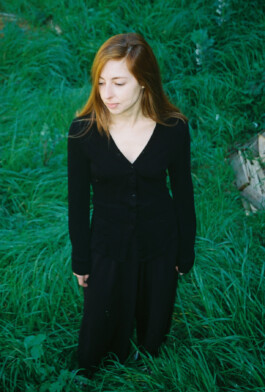
© Inês Cardoso Ribeiro
Currently based between Porto, Lisbon and Funchal, I am working in self-iniciative projects and curating an exhibiton commissioned by CCB | Centro de Arquitectura, oppening may 2026.
As an independent architect and reseacher, I have worked and collaborated with several institutions, associations, and communities. Key projects include the revitalization of Escola da Vila do Porto Santo, awarded an Honorable Mention at the Madeira Architecture Prize (2022), and the curatorial research on the legacy of Raul Chorão Ramalho, Rui Goes Ferreira and Suzanne Daveau. Published in magazines such as Punkto, Umbigo and Koozarch.
Trained at the Faculty of Architecture of Porto (FAUP) with an exchange at the Accademia di Architettura di Mendrisio, I have collaborated with several architectural studios, while deepening my engagement of ecological building techniques through hands-on experiences in Portugal and Morocco.
Previously I have contributed to studios such as Barbas Lopes, Baixa Atelier, and hori-zonte, and integrated A-GRUPA Collaborative Urbanism Network in participatory urbanism initiatives.
I believe that architecture should act as an aggregating discipline, capable of uniting multivocal knowledge and fostering a harmonious and continuous relationship with the natural world.

© Inês Cardoso Ribeiro